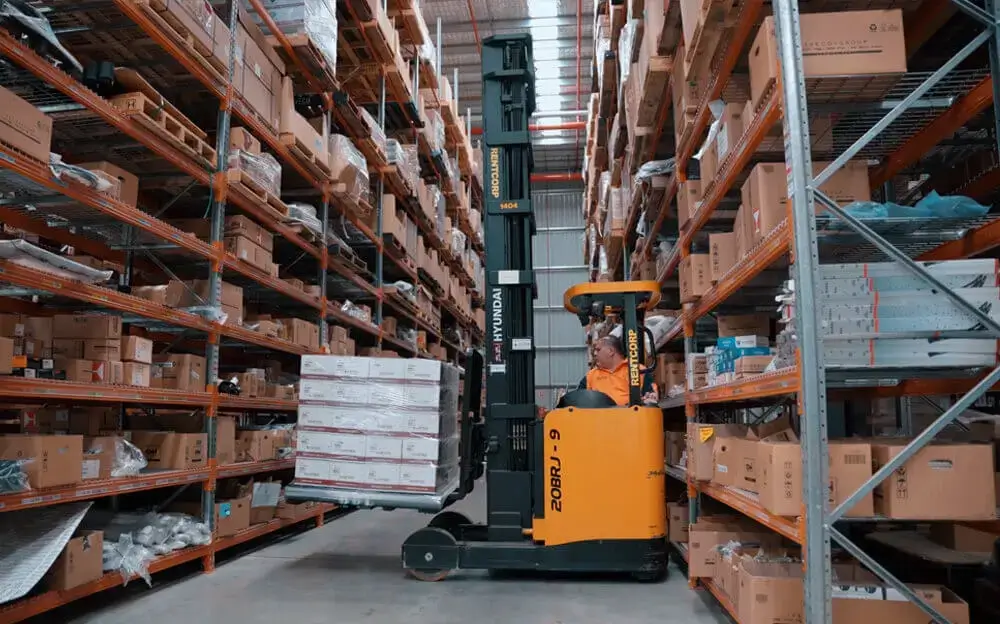
The lowest quote almost never tells you what a logistics partner is really worth. Here is where the value actually sits, and how to judge a provider on the outcomes that protect your margin.
Most businesses begin the search for a logistics partner with a single question: who is cheapest? It is an understandable instinct. Freight and delivery are visible line items, and trimming a few dollars from each parcel feels like a clear win. Yet the lowest quote rarely reflects what a third party logistics (3PL) provider is genuinely worth to your business.
The real value of 3PL services appears in places a delivery invoice never records: fewer failed deliveries, faster and more accurate order processing, cleaner stock data, and customers who buy again. For Australian businesses juggling growth across several sales channels, choosing a provider on price alone can quietly cost far more than it saves.
This guide sets out where 3PL services create value beyond lower delivery costs, and how established Australian providers such as B dynamic Logistics approach the outcomes that actually protect your margin.
What does value beyond delivery cost actually look like?
Value in third party logistics is the total effect a provider has on your cost to serve, your customer experience, and your capacity to grow. It is not the number printed on a single delivery docket.
Logistics professionals describe this as total cost of ownership. A rate card shows the headline price of moving a parcel. It does not show the rehandling fees when stock is picked incorrectly, the refunds triggered by late arrivals, the sales lost during a stockout, or the management time spent chasing a provider who cannot give you straight answers. Those costs are real, and they usually dwarf the few cents of difference between one quote and another.
Why comparing providers on price alone is a trap
A cheap per parcel rate often signals a lean operation with little room for the extras that keep customers happy. Low quotes can also hide charges that surface later: receiving fees, storage creep, minimum volumes, and surcharges for anything outside a narrow standard. Two quotes that look similar on paper can behave very differently once real orders start flowing.
The value drivers that matter more than rate
When you strip logistics back to outcomes, a handful of factors decide whether a partnership pays off:
- Order accuracy, measured as the share of orders picked, packed and shipped without error.
- Delivery reliability, or how often parcels arrive on time and intact.
- Stock accuracy and visibility, so you never sell what you do not have.
- Flexibility to scale volumes up and down with demand.
- The quality of reporting, and the people standing behind it.
A provider that performs well on these measures earns its keep many times over, even at a slightly higher rate. At B dynamic Logistics, dedicated account contacts sit behind the reporting, so there is always a person who can explain the numbers.
Which value added services move the needle?
Value added services are the tasks a 3PL performs beyond simple storage and dispatch, and they are often where the strongest returns hide. Done well, they lift your brand, protect margin, and remove work from your own team.
Customised packaging, kitting and returns
Presentation shapes how a customer feels about a brand the moment a box arrives. Providers such as B dynamic Logistics group gift wrapping, kitting, product bundling and retailer ready packing under Value Added Services, letting you create a considered unboxing experience without hiring for it. The same capability supports promotions, subscription boxes and compliant retailer packs, all handled inside the warehouse rather than on your kitchen table.
Inventory Management and live stock visibility
Accurate stock data is one of the least glamorous and most valuable things a 3PL delivers. Strong Inventory Management gives you a single, current view of what is on hand, what is committed and what is running low across every channel. That visibility prevents overselling, reduces safety stock, and frees up cash that would otherwise sit in surplus inventory.
Reverse Logistics and the real cost of returns
Returns are a large and growing cost for Australian retailers. Australia Post’s 2026 eCommerce Report found that 41% of online shoppers returned at least one item during 2025, and retailers have put the cost of handling a single return at roughly $7 to $11 per order once shipping and processing are counted. Returns have been described as a $20 billion problem for Australian retail. A structured Reverse Logistics process, with fast inspection, grading, and restocking or disposal, recovers value that would otherwise be lost and gets sellable stock back on the shelf sooner.
How does 3PL value change across sales channels?
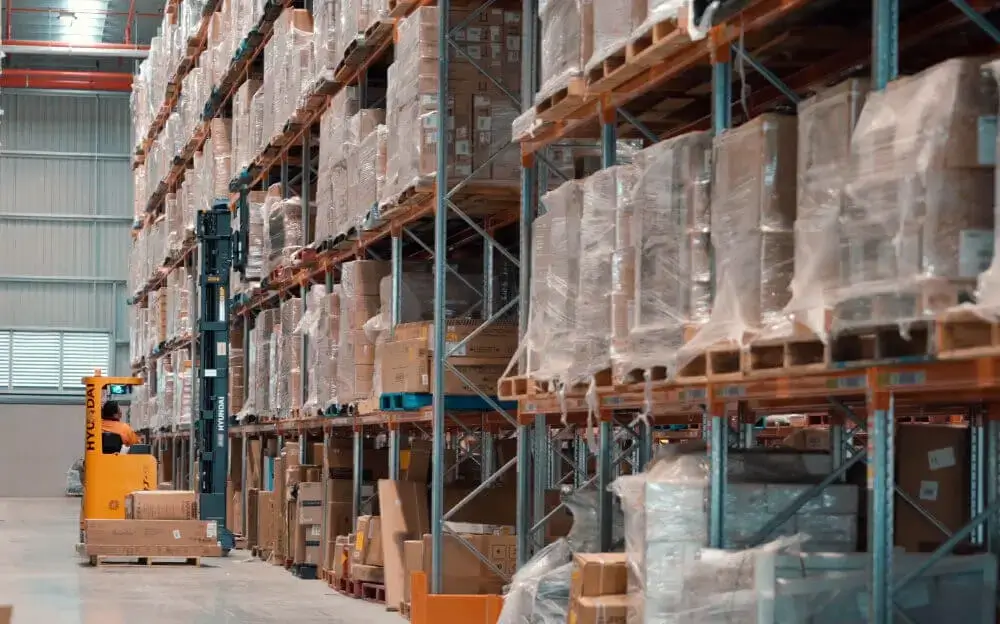
Value looks different depending on who you sell to. A provider that understands your channel can tailor its service to the way your customers actually buy. B dynamic Logistics, for example, runs warehousing, fulfilment and transport across the major Australian capitals and into New Zealand, covering all three channels below.
Australian ecommerce is still expanding. Australia Post’s 2026 report put online spending at $82.6 billion in 2025, up 14% on the previous year and close to a quarter of all retail spend. Meeting that demand well, across channels, is where a capable 3PL proves its worth.
B2C: Ecommerce Fulfilment and Last Mile Delivery
For direct to consumer brands, speed and reliability drive repeat purchases. Ecommerce Fulfilment centres positioned close to major population hubs shorten transit times and cut delivery costs at the same time. Last Mile Delivery, supported by carrier choice and live tracking, is the part of the journey customers remember most. Delivery experience also shapes whether a sale happens at all: research from DHL’s 2025 Australia ecommerce report found that most shoppers will abandon a basket if their preferred delivery option is missing.
B2B: Warehousing and Supply Chain Integration
Business customers expect accuracy, compliance and predictable lead times. Well run Warehousing keeps palletised and bulk stock organised, secure and ready to move. Supply Chain Integration connects your systems to the warehouse so orders, stock levels and dispatch updates flow automatically, removing manual handovers and the errors that come with them.
Big and Bulky: specialised handling for oversized freight
Furniture, appliances and machinery need equipment and expertise that standard parcel networks simply do not have. Specialised handling for large and heavy items, using the right forklifts, cranes and trailers, protects both the goods and the people moving them, and reduces the damage claims that erode margin on high value freight. B dynamic Logistics runs a dedicated big and bulky division for exactly this kind of freight.
Where do 3PL services save money you cannot see on an invoice?
The clearest savings from a strong 3PL rarely appear as a discount. They show up as costs that never happen.
Cutting failed deliveries, returns and rehandling
Every failed delivery, mispick or damaged parcel triggers a chain of extra cost: a redelivery, a refund, a replacement, and the labour to sort it out. Accurate picking, sound packaging and reliable carriers reduce these events at the source. Because the average return already costs several dollars per order, even a small lift in accuracy compounds into meaningful savings across a year.
Scaling through peak demand without fixed overheads
Demand rarely arrives evenly. Sales, new ranges and the November to January peak can multiply order volumes within weeks. A 3PL absorbs those swings using shared labour and space, so you pay for capacity when you use it rather than carrying an empty warehouse in quiet months. This is one of the strongest arguments for outsourcing over building logistics in house.
Freight optimisation through Multi Carrier Transportation
Relying on one carrier leaves you exposed to price rises, service gaps and network disruptions. Multi Carrier Transportation solutions let a provider route each order by the best mix of cost, speed and destination, drawing on road, rail, air and sea. That flexibility is a core part of sound supply chain management, and it consistently lowers freight spend without cutting service. B dynamic Logistics uses a shared freight rate model as part of its multi carrier approach.
How to choose a 3PL provider in Australia that delivers value
The best providers are chosen on evidence, not on the lowest quote. Ask each shortlisted partner to show how they perform on the outcomes that matter.
Questions to ask beyond price per parcel
- What is your order accuracy rate, and how do you report it?
- How do you handle peak demand and sudden volume spikes?
- Which carriers do you use, and how do you choose between them?
- How will your systems connect to my store or platform?
- What value added services can you provide as I grow?
- How do you manage returns and reverse logistics?
Clear, specific answers signal a provider that measures itself. Vague answers are a warning.
Why national coverage and local expertise matter
Where a provider operates affects both cost and speed. National coverage across Sydney, Melbourne, Brisbane, Adelaide and Perth lets you hold stock closer to customers and reach most of the country quickly. B dynamic Logistics supports this with multi-state stock positioning across its five-city Australian network. Search demand reflects this: 3PL enquiries in Melbourne, Sydney and Brisbane are among the most common in the market, and a real presence in those hubs is a practical advantage.
How B dynamic Logistics approaches value
B dynamic Logistics builds its 3PL services around outcomes rather than rate alone, with warehousing, fulfilment and transport spanning the major Australian capitals and into New Zealand. By combining accurate Inventory Management, flexible Value Added Services and a multi carrier network, the focus stays on lowering your total cost to serve while lifting the experience your customers receive.
Frequently asked questions
Q1: What are 3PL services?
Third party logistics (3PL) services are outsourced logistics functions, including warehousing, order fulfilment, transport, inventory management and returns. A 3PL provider manages these on your behalf so you can focus on selling and product.
Q2: Are 3PL providers worth the cost for a small business?
Often, yes. Beyond freight, a 3PL removes the cost of warehouse space, staff, systems and equipment, and converts fixed overheads into variable costs that scale with your orders. For many growing businesses, that trade is cheaper than running logistics in house.
Q3: What is the difference between a cheap 3PL and a good one?
A cheap 3PL competes on rate. A good 3PL competes on total cost to serve: accuracy, reliability, stock visibility, flexibility and support. The second usually costs less overall, because it prevents the errors and returns that quietly drain margin.
Q4: How do value added services reduce total logistics costs?
Value added services such as kitting, customised packaging and structured returns handling cut errors, lift customer satisfaction and recover value from returned stock. Each one removes work or waste that would otherwise appear as a cost somewhere else.
Q5: Which 3PL services suit ecommerce businesses?
Ecommerce sellers typically need Ecommerce Fulfilment, Last Mile Delivery, live Inventory Management and Reverse Logistics. Together these keep online orders fast, accurate and easy to return.
Q6: What does a 3PL do that reduces returns costs?
A capable 3PL improves picking accuracy so customers receive the right item, packs goods to survive transit, and runs an efficient Reverse Logistics process to inspect, restock or dispose of returns quickly. This lowers both the number of returns and the cost of each one.
Q7: Does using a 3PL mean losing control of my brand?
No. A good provider extends your brand through custom packaging, branded documentation and a delivery experience you help design. You keep control of how customers experience your product while the provider handles the operation.
Q8: How does a 3PL help during peak season?
A 3PL scales labour, space and dispatch capacity to match demand, so you can handle a busy sales period without hiring temporary staff or leasing extra space. Capacity you do not need in quiet months simply is not billed.
Q9: How do I compare 3PL providers in Australia fairly?
Compare on outcomes, not just rate. Ask for order accuracy figures, delivery performance, system integration options, carrier choice and value added capability, then weigh those against total cost to serve rather than the price of a single parcel.
The bottom line
The strongest 3PL partnership is measured in accuracy, reliability, protected margin and customers who return, not in the lowest delivery rate. When you judge providers on total cost to serve, the value beyond delivery cost becomes clear.
If you are weighing your logistics options, B dynamic Logistics can help you map your requirements to the right mix of warehousing, fulfilment and transport across Australia and New Zealand. Request a quote to see how a value first approach compares against a headline rate.
Back to Blog