Few questions make a logistics conversation go quiet faster than a simple one. What does it cost? For big and bulky goods, the honest answer is that it depends, and any provider who quotes a single confident figure before understanding your range, your volumes and your delivery promises is really only guessing. That does not mean cost is a mystery. The price of moving oversized goods is built from a handful of understandable components, and once you can see them clearly, you can budget properly, compare providers fairly and judge value with far more confidence. A dedicated account contact can walk you through exactly how these components apply to your own range before you commit to anything.
How big and bulky logistics is priced
Big and bulky logistics is usually priced across four components. Storage is charged for the space your stock occupies. Handling covers receiving goods in, putting them away, picking them for orders and preparing them for dispatch. Freight and delivery cover the movement of goods, including the final leg to the customer’s door. Value added services such as assembly, packaging or returns sit on top. The headline rate attached to any one of these matters far less than the total across all four, which is the number that actually lands on your profit and loss statement.
The cost drivers, explained
Understanding what pushes each component up or down is the difference between budgeting and guessing. A specialist big and bulky logistics provider will talk you through these drivers openly, because they are the same levers that determine whether a quote is realistic.
Storage and space
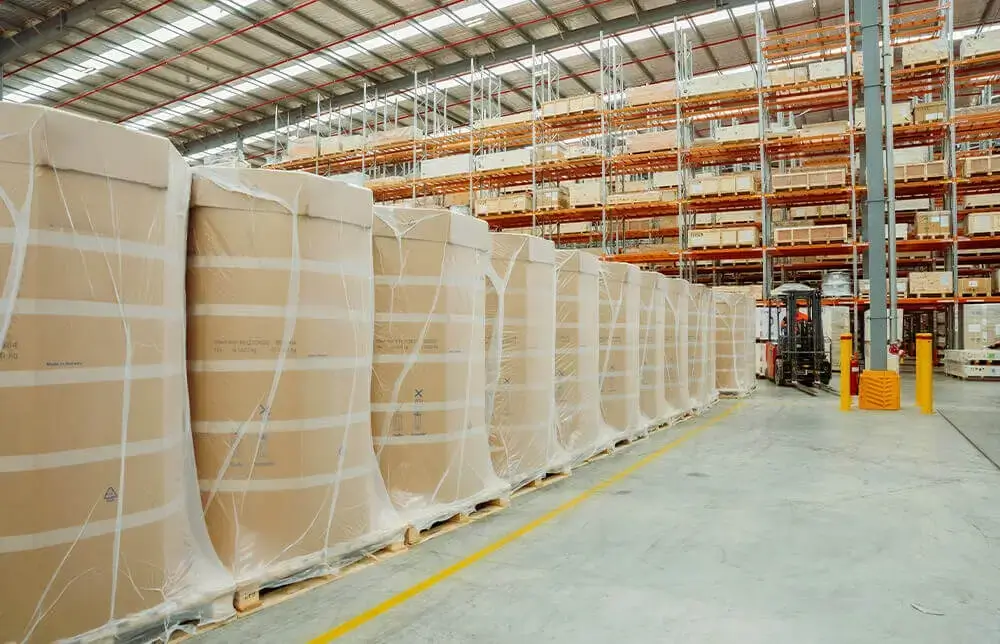
Oversized goods are greedy with space. A single lounge suite or treadmill swallows the cubic capacity of dozens of small cartons, so storage is generally charged by the cubic metre, or by the pallet or floor position, rather than by the unit. The shape of your stock, how densely it can be racked, and how long it sits before selling all push this figure around. Slow moving lines quietly accumulate storage cost, which is why range planning and storage cost are far more closely linked than most retailers realise.
Handling and labour
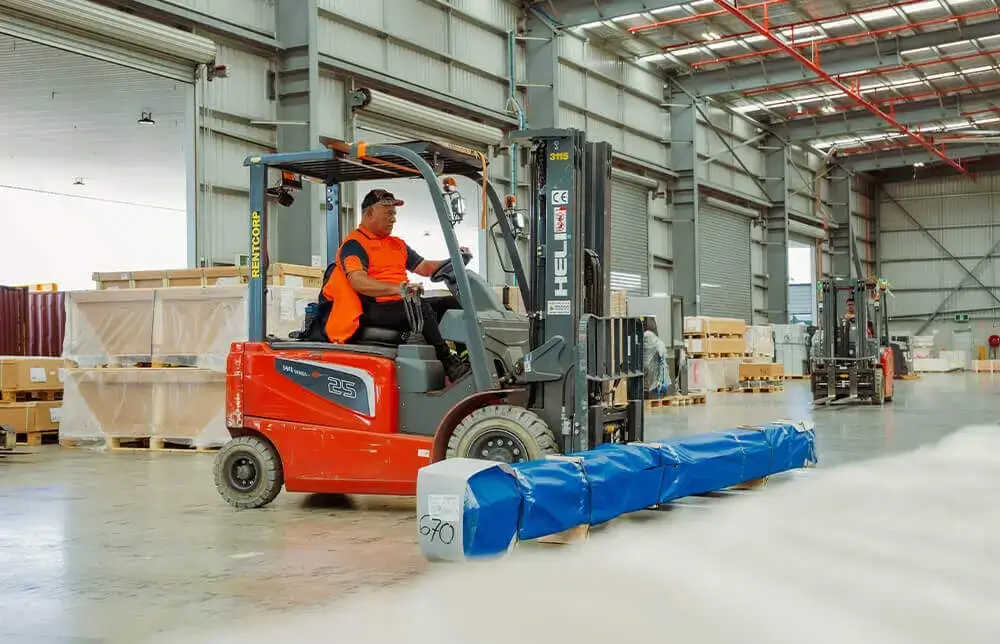
Every time a bulky item is touched, it costs money, because that touch usually involves two people or a piece of equipment. Handling charges reflect the labour of moving stock through the warehouse safely. Because heavy and awkward goods cannot be processed by the automated sortation that drives parcel networks, labour is a much larger share of the cost here, and the quality of handling procedures feeds directly into both speed and damage rates. Better procedures cost a little more per movement and save a great deal in broken stock. B dynamic Logistics‘ dedicated big and bulky division trains its teams around exactly this trade-off, favouring careful handling over the fastest possible touch.
Freight and last mile
This is where Australian geography shows up on the invoice. Freight is shaped by distance, by the dimensions and weight of the item, by the type of delivery promised, and by how full the trucks on a given lane tend to run. A dense metro route is cheaper per delivery than a long, thin interstate corridor between the eastern capitals and Perth. A delivery placed in the customer’s room of choice by a team of two costs more than a kerbside drop. Failed deliveries, where nobody is home to receive a heavy item, are quietly among the most expensive events in the entire chain. Positioning stock across B dynamic Logistics’ five-city network in Sydney, Melbourne, Brisbane, Adelaide and Perth is one of the most effective ways to keep this cost down.
Value added services and returns
Assembly, custom packaging, labelling, gift presentation and returns processing all carry their own cost, and returns deserve particular attention. A bulky return is not a prepaid satchel dropped at the post office. It is a collection by a delivery team, a journey back over distance, an inspection, and then a decision to restock, repair or write the item off. For some categories, returns are the single largest hidden cost in the whole operation, and they reward businesses that design for them rather than react to them.
Common pricing models and what suits whom
Providers package these components in different ways, and the right model depends on your profile. A fully variable model, where you pay per unit stored and per order handled, suits businesses with seasonal or unpredictable volumes, because cost rises and falls with activity. A blended model, with a base fee plus activity charges, can suit steadier operations that value predictability above all. Some providers bundle everything into a single agreement with one invoice, which strips out the administrative burden of juggling separate storage, handling and freight contracts. There is no universally best model. The real test is whether the structure matches how your demand actually behaves across the year, and whether you can see plainly what you are paying for and why. A dedicated B dynamic Logistics account contact can help work out which structure actually fits your demand pattern, rather than defaulting to whichever model is easiest to sell.
The hidden costs of running big and bulky in house
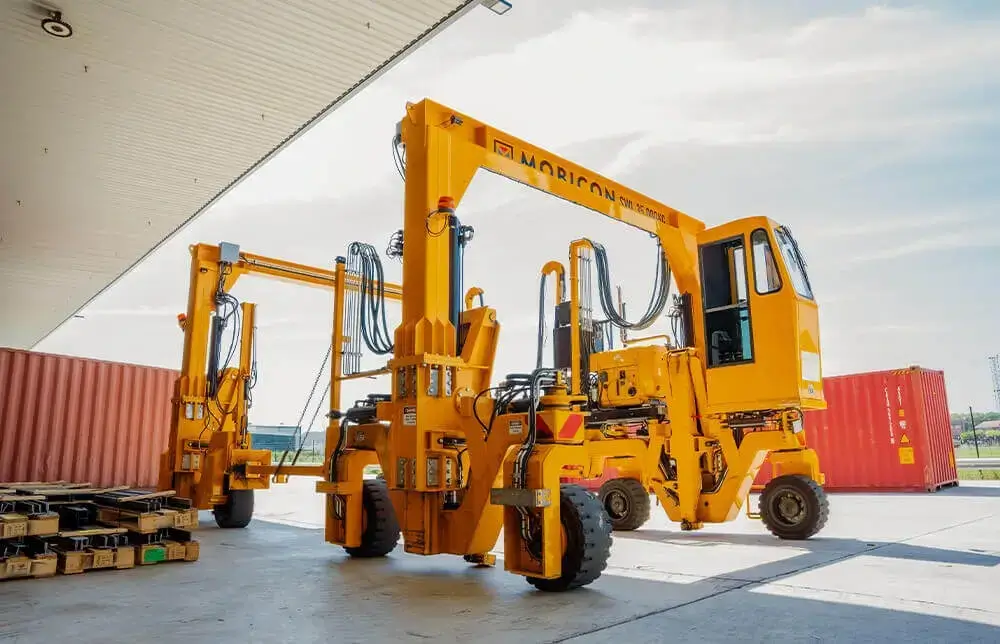
The most misleading comparison a business can make is to weigh a provider’s quote against its own current freight bill alone. The true cost of running bulky logistics in house is far larger than the obvious line items. It includes the warehouse lease and the racking and equipment inside it, the recruitment, training and supervision of staff, the management of manual handling risk under Work Health and Safety law, the software needed to track stock and orders, the time spent negotiating carrier rates, and the cost of space and labour sitting idle outside the peak. None of these appear on a simple per item rate, yet together they frequently decide which option is genuinely cheaper. It is exactly this list of hidden costs that a dedicated big and bulky division is built to absorb, spreading the fixed infrastructure across many clients instead of one.
In-house versus outsourced: comparing total cost of ownership
The fairer comparison is total cost of ownership, which counts every cost over a defined period rather than the headline rate. In house operations carry heavy fixed costs that must be paid whether volumes are high or low. A third party logistics partner converts much of that fixed cost into a variable rate and spreads the underlying infrastructure across many clients, which is how a specialist can offer capability that would be uneconomic for a single business to build alone. For a growing retailer, outsourcing frequently lowers total cost even when one line item looks higher, because the dead weight of idle capacity disappears. The exception is a stable, high volume operation with very predictable demand, where building internally can pay off over the long term.
A simple way to estimate return on investment
You do not need a complex model to test the decision. Start by listing every cost you currently carry to move your bulky range, including the hidden ones above. Compare that total against a provider’s full quote across storage, handling, freight, value add and returns over the same period, on realistic volumes. Then add the costs that are harder to pin to a number but no less real: damage and write offs, failed deliveries, sales lost when you cannot fulfil during peak, and the management time that logistics quietly absorbs. The assumptions you make matter more than the arithmetic, so write them down plainly and test the decision against a busy month and a quiet one, never just an average.
Where B dynamic fits
This is the thinking behind B dynamic Logistics’ approach to pricing. As Australia’s first cross sector third party logistics provider, it handles B2B, B2C and big and bulky freight under a single agreement, with one point of contact and a consolidated invoice rather than a tangle of separate contracts. Its BDL Advantage platform gives clients real time visibility of stock and orders, and its dedicated big and bulky division runs purpose built facilities across Sydney, Melbourne, Brisbane, Adelaide and Perth. The aim is to turn those four cost components into one predictable, transparent relationship, and to give growing businesses access to specialist infrastructure without the capital cost of building it from scratch. You can request a big and bulky logistics quote to see how the components apply to your own range and volumes.
The bottom line
The cost of big and bulky logistics is knowable, but only if you look past the headline rate to the full picture. Map the four components, count the hidden costs of doing it yourself, compare on total cost of ownership rather than a single number, and stress test your assumptions against both your busiest and your quietest months. Do that, and the question shifts from what does it cost to what is it worth, which is a far more useful place for any growing business to stand. A conversation with a dedicated B dynamic Logistics account contact is a straightforward way to see how that full picture looks for your own range.
Frequently asked questions
Q1: How much does big and bulky logistics cost in Australia?
There is no single rate, because cost depends on your storage volume, the distance and type of delivery, and the value added services you need. Rather than a fixed price, expect a quote built from storage, handling, freight and returns. The most accurate figure comes from a tailored assessment of your actual range and volumes.
Q2: How is big and bulky logistics priced?
It is usually priced across four components: storage for the space your stock occupies, handling for moving it through the warehouse, freight and delivery for transport, and value added services such as assembly and returns. The total across all four matters far more than the headline rate of any single component.
Q3: What are the main cost drivers for bulky freight?
The biggest drivers are distance, the dimensions and weight of each item, the type of delivery promised, and how full the trucks on a given lane run. Interstate corridors cost more than dense metro routes, and a two person delivery into the home costs more than a kerbside drop. Failed deliveries add cost quickly.
Q4: What pricing models do big and bulky 3PLs use?
Common models include a fully variable structure, where you pay per unit stored and per order handled, and a blended structure with a base fee plus activity charges. Some providers bundle everything into a single agreement with one invoice. The best fit depends on how predictable your volumes are across the year.
Q5: Is it cheaper to outsource bulky fulfilment or keep it in house?
It often works out cheaper to outsource once the full picture is counted. In house cost includes lease, racking, equipment, labour, safety management and idle capacity in quiet periods. A provider converts much of that fixed cost into a variable rate, so total cost of ownership frequently falls even when a line item looks higher.
Q6: What hidden costs come with in house bulky warehousing?
The hidden costs rarely sit on an invoice: capital tied up in racking and equipment, recruitment and training, manual handling injury exposure, warehouse software, carrier rate negotiation, and the expense of space and labour standing idle outside the peak. These quietly change which option is genuinely the cheaper one.
Q7: Why does interstate bulky freight cost more in Australia?
Distance is the core reason. The corridors between the eastern capitals and Perth are long, and the carrier networks equipped for oversized freight are fewer and thinner than parcel networks. Lower lane density means less consolidation, so the cost per item rises. Positioning stock in several states is the main way to control it.
Q8: How do I calculate the return on investment of outsourcing?
List every cost you currently carry to move your bulky range, including the hidden ones, then compare it against a provider’s full quote over the same period on realistic volumes. Add harder to measure costs such as damage, failed deliveries and lost peak sales. Test the result against a busy month and a quiet one.
Q9: What is total cost of ownership in logistics?
Total cost of ownership is the sum of every cost involved in an option over a defined period, not just the headline rate. For logistics it captures fixed costs such as lease and equipment alongside variable costs such as freight and handling. It is the fairest basis for comparing an in house operation with a provider.
Q10: How much do bulky goods returns cost?
Returns for bulky items are far more expensive than for parcels, because each one involves a collection by a delivery team, transport back over distance, inspection, and a decision to restock, repair or write off. There is no fixed figure, but for some categories returns are the single largest hidden cost, so they are worth modelling carefully.
Q11: Does a single consolidated invoice actually save money?
It can. Consolidating storage, handling and freight under one agreement removes the administrative cost and complexity of managing several contracts and reconciling several invoices. It also makes the total cost easier to see and control, which helps with budgeting. B dynamic’s cross sector model is built around exactly this single contract approach.
Q12: Why do failed deliveries cost so much for bulky goods?
A failed delivery of a heavy item is not simply a wasted trip. It usually means a team of two and a suitable vehicle return another day, doubling the most expensive part of the chain, while the item occupies space and the customer experience suffers. Reducing failed deliveries is one of the quickest ways to lower true cost.
Q13: How can I get an accurate big and bulky logistics quote?
Provide your typical stock volumes, item dimensions and weights, the states you deliver to, your delivery promises and your expected returns rate. The more accurately you describe your range and demand, the more realistic the quote. A specialist provider can then map the four cost components to your business rather than offering a generic rate. A dedicated B dynamic Logistics account contact can talk through these details with you directly to put together an accurate quote.
Back to Blog