Key takeaways
– Judge any B2B 3PL on five things: systems integration, national reach, accuracy and visibility, flexibility, and the people behind the account.
– Score your shortlist against your own priorities rather than a generic checklist.
– Ask hard questions before you sign, and insist on seeing how onboarding will actually run.
– A structured onboarding with a parallel run is the single best predictor of a smooth switch.
Choosing a fulfilment partner is one of the few outsourcing decisions you cannot easily reverse. Once your stock sits in a provider’s warehouse and your systems are wired into theirs, you have handed over the daily machinery of your customer experience. Choose well and you gain a quiet, reliable engine room for growth. Choose poorly and you inherit someone else’s problems, along with the cost and disruption of unwinding the arrangement.
The reassuring part is that a strong choice is not a matter of luck. It rewards a clear set of criteria, a few sharp questions and a structured look at how the move will actually happen. This guide gives you all three, written from the perspective of a provider that onboards businesses for a living and would rather you choose carefully than choose quickly. That provider is B dynamic Logistics, and we invite you to hold us to every standard set out below.
The short answer: To choose a B2B 3PL, weigh five things: how well it integrates with your systems, whether its footprint reaches your customers across Australia, how accurate it is and how clearly you can see performance, how it flexes for peaks and special handling, and the quality of its account support. Score each provider against your own priorities, and confirm exactly how onboarding will run before you sign.
The five things that actually separate good providers
Plenty of providers look similar on a website. The differences show up against criteria that matter to a B2B operation specifically, where accuracy and compliance carry more weight than a fast consumer delivery promise.
1. How well it connects to your systems
The first test is integration. A capable partner pulls orders automatically from your online store, your marketplaces and your trading partners into its warehouse, so nothing is rekeyed by hand. Ask which platforms it already connects to, whether it supports your accounting or inventory system, and how it handles electronic documents such as advance shipping notices for larger retailers. Clean integration is what keeps fulfilment accurate at volume, and it is the foundation everything else rests on. B dynamic Logistics has prebuilt connections to the major ecommerce platforms and trading partner systems, and handles EDI and ASN requirements as a standard part of its B2B service.
2. Whether it can reach your customers across Australia
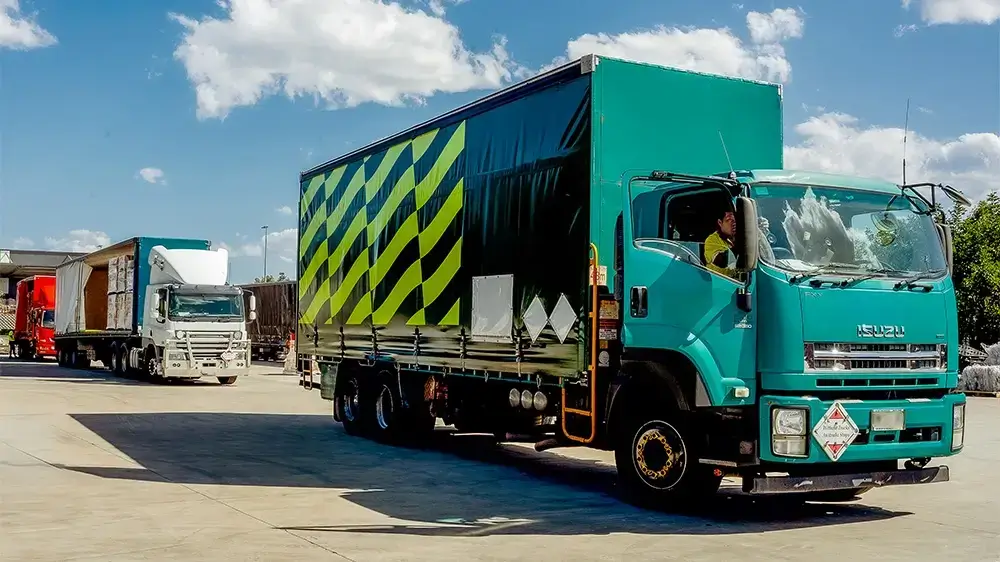
The second test is reach. Australia is a continent, and a provider shipping from a single city will struggle to serve customers on the other side of it at a sensible cost or speed. Look for a national footprint, or at least carrier relationships and locations that match where your customers actually are. The closer a provider can dispatch to your buyers, the lower your freight bill and the shorter your transit times to regional and interstate destinations.
3. How accurate it is, and whether you can see it
The third test is accuracy with visibility. Order accuracy is the metric that protects trade relationships, so ask how a provider measures and maintains it. Just as important is whether you can see performance for yourself. A partner that gives you live reporting on orders, stock and dispatch lets you hold the operation to account and plan inventory with confidence, rather than waiting for a monthly summary. If you cannot see it, you cannot manage it. The BDL Advantage platform gives B dynamic Logistics clients exactly that: real time visibility of orders, stock and performance, so the data is always in front of you.
4. How it flexes for peaks and tricky orders
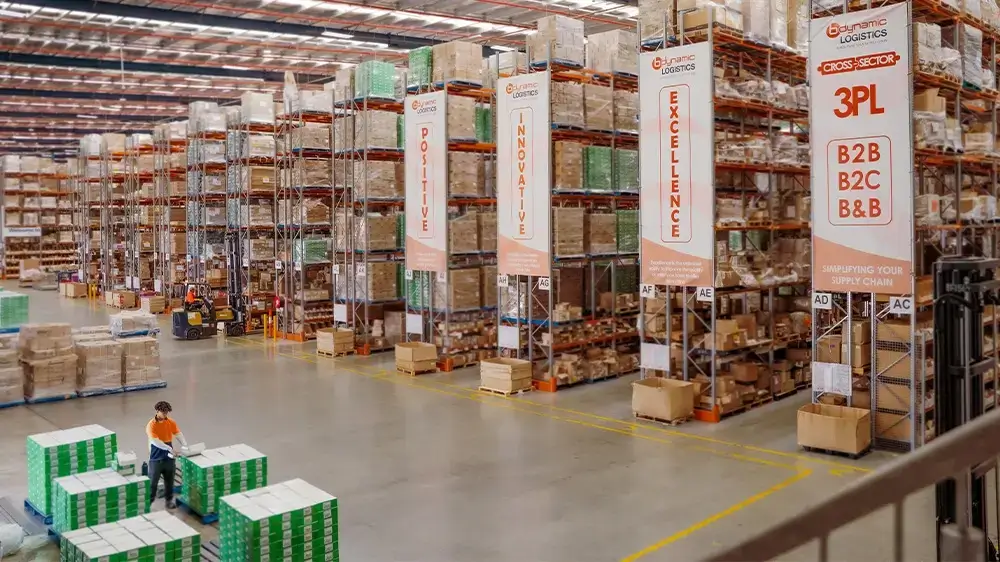
The fourth test is flexibility. Your orders are not uniform, and your year is not flat. Ask how a provider absorbs a seasonal peak without a drop in accuracy, and how it handles the awkward jobs: kitting, relabelling, fragile goods, heavy items and bespoke packaging. A provider that treats every client as a standard template will eventually pinch somewhere. One that adapts to your order profile will save you workarounds for years.
5. The people behind the account
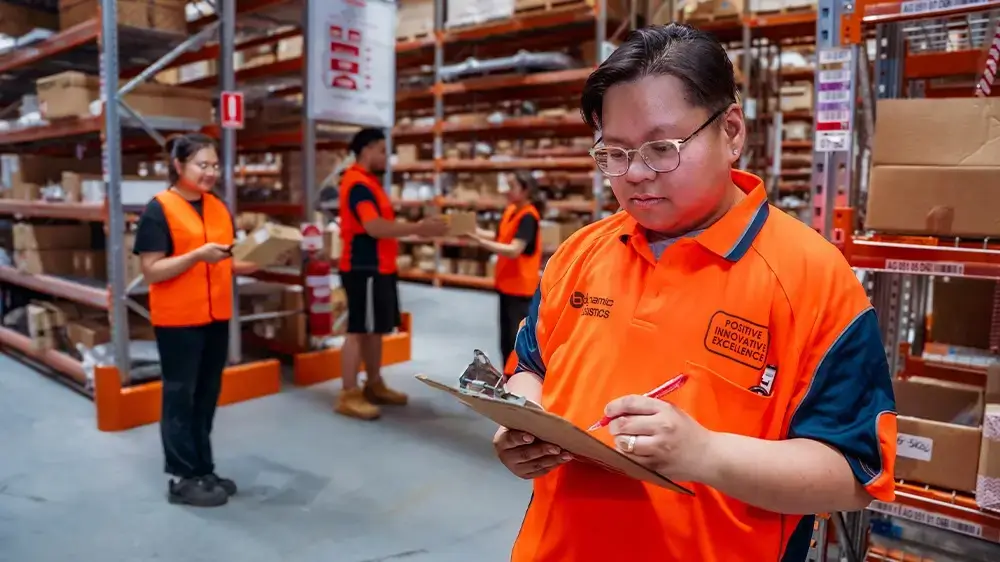
The fifth test is the human one. Systems matter, but exceptions are inevitable, and when they happen you want a named, reachable account team rather than a ticket queue. Ask who you will deal with day to day, how problems are escalated, and how the relationship is reviewed over time. The best fulfilment partnerships feel less like a vendor contract and more like an extension of your own team. Every B dynamic Logistics client has a named account contact and a clear escalation path, because that is what makes the relationship work when it matters most.
Score your shortlist before you commit
Vague impressions make for poor decisions. A simple scorecard turns a gut feel into a comparison you can defend. Rate each provider on your shortlist from one to five against the criteria below, weight the rows that matter most to your business, and the strongest fit usually becomes obvious.
| Criterion | What a strong provider shows | Weight for you |
| Systems integration | Prebuilt connections to your channels and systems | High / Medium / Low |
| National reach | A footprint and carriers matching your customers | High / Medium / Low |
| Accuracy and visibility | Measured accuracy plus live reporting | High / Medium / Low |
| Flexibility | Handles peaks and special items without fuss | High / Medium / Low |
| Account support | A named, reachable team and clear escalation | High / Medium / Low |
| Sector experience | A track record with businesses like yours | High / Medium / Low |
The questions worth asking before you sign
By the time you are comparing two or three providers, the right questions sort confidence from sales talk. Take this short list into every conversation:
- Which sales channels and systems do you already integrate with, and what would mine require?
- How do you measure order accuracy, and what reporting will I see?
- How do you handle our peak period, and what happens if volume spikes unexpectedly?
- What does onboarding involve, how long does it take, and who manages it?
- Can you handle our heavier or more awkward stock, and how is it priced?
- Who will be our day to day contact, and how are problems escalated?
- Can you share references from businesses in a similar position to ours?
What a smooth onboarding looks like
Fear of a messy switch keeps many businesses with a provider they have outgrown. It need not. A well run onboarding follows a clear sequence, and knowing the stages lets you judge whether a provider has done it many times before or is improvising.
- Scoping. The provider maps your order profile, products, volumes, channels and any special requirements, so nothing is a surprise later.
- Integration. Your sales channels and systems are connected to the warehouse and tested with real order data before anything goes live.
- Inventory transfer. Stock is received, counted and put away, and opening balances are reconciled so your records start clean.
- Configuration. Picking, packing, freight and compliance rules are set up to match how your orders actually need to be handled.
- Parallel run or pilot. A controlled period where orders flow through the new setup while you watch closely and iron out any issues.
- Go live and review. Full cutover, followed by close monitoring and a review to confirm accuracy, timing and reporting are all on track.
The single biggest predictor of a smooth move is allowing enough time for integration testing and the parallel run. Rushing the cutover to save a fortnight is how avoidable errors reach your customers in the first week. B dynamic Logistics follows this sequence on every onboarding and will walk you through each stage before you commit, so there are no surprises once the move begins.
Getting your store and systems connected
Integration deserves its own attention because it is where switches most often stall. A good B2B provider offers prebuilt connections to the major ecommerce platforms and marketplaces, so orders flow into the warehouse without manual uploads. Before you commit, confirm three things: that your specific store platform is supported, that any accounting or inventory system you rely on can be connected, and that any electronic data requirements from your larger retail customers can be met. Getting clear answers here prevents the most common onboarding delay of all.
Handling heavy, bulky and regional orders
B2B stock is often larger and more awkward than consumer parcels, and B2B customers are often further away. If either applies to you, probe it directly. Ask whether the provider has the racking, equipment and handling processes for heavy or oversized items, and whether its carrier relationships extend beyond metropolitan routes to the regional and remote destinations your customers occupy. A provider that treats regional logistics and heavy goods as a specialty, rather than an exception it would rather avoid, will serve those customers far better and more affordably.
Choosing a partner you can grow with
The criteria in this guide are deliberately demanding, because the right partner should welcome the scrutiny rather than deflect it. That is the spirit in which we would invite any business to assess B dynamic Logistics. With more than fifteen years moving goods for Australian businesses, we have built the footprint, the carrier network and the prebuilt system integrations that the five tests above are designed to find, and we are happy to be measured against every one of them.
Experience is the quiet differentiator that rarely fits on a scorecard but shows up in every peak that passes without drama and every onboarding that lands on time. A provider that has handled thousands of order profiles across many sectors has almost certainly seen yours before, and knows where it tends to go wrong. When you assess your shortlist, weigh that hard won operational maturity alongside the rates. The cheapest quote rarely ages as well as the partner who simply makes fulfilment a problem you no longer have to think about.
Frequently asked questions
Q1: How do I choose a B2B 3PL?
Weigh five things: systems integration, national reach, accuracy with visibility, flexibility for peaks and special items, and the quality of account support. Score each provider against your own priorities, ask for references in your sector, and confirm exactly how onboarding will run before you sign anything.
Q2: What questions should I ask a 3PL before signing?
Ask which channels and systems it integrates with, how it measures accuracy and what reporting you will see, how it handles your peak, what onboarding involves and who manages it, how it prices awkward stock, who your day to day contact is, and whether it can share relevant references.
Q3: How long does 3PL onboarding take?
It depends on your integration needs and product range. The process covers scoping, integration, inventory transfer, configuration, a parallel run and go live. Allowing enough time for integration testing and the parallel run is the best predictor of a smooth move, so be wary of any provider promising an instant switch.
Q4: How does a 3PL integrate with Shopify or my accounting system?
A capable provider offers prebuilt connections to major platforms such as Shopify, WooCommerce and Magento, and to marketplaces, so orders flow into the warehouse automatically. Confirm your specific platform is supported and that any accounting or inventory system you rely on can be connected before you commit.
Q5: Can a 3PL handle heavy or bulky B2B items?
Yes, provided it has the right racking, equipment and handling processes. Ask directly how oversized or heavy stock is stored, picked and packed, and how it is priced. A provider that treats heavy goods as a specialty rather than an exception will handle them more reliably and affordably.
Q6: How do 3PLs deliver to regional Australia affordably?
Through a combination of footprint and carrier relationships. Dispatching from a location closer to your customers shortens transit and lowers freight, and carrier agreements that extend beyond metropolitan routes reach regional and remote areas more cost effectively than a single metro warehouse can.
Q7: How do I switch 3PLs without disrupting orders?
Insist on a structured onboarding with a parallel run, where orders flow through the new setup while the old one still operates, so issues are caught before full cutover. Clear scoping, tested integration and reconciled inventory all reduce the risk of disruption during the move.
Q8: What is a parallel run in 3PL onboarding?
A parallel run is a controlled period where live orders are processed through the new provider’s setup while you monitor closely, before committing fully. It lets the team find and fix issues with integration, picking or freight rules without those problems reaching your customers at go live.
Q9: What should a 3PL evaluation scorecard include?
At minimum: systems integration, national reach, accuracy and visibility, flexibility, account support and sector experience. Rate each provider from one to five, weight the criteria that matter most to your business, and compare the weighted results rather than relying on a general impression.
Q10: How important is a 3PL’s location and footprint?
Very, in a market the size of Australia. The closer a provider can dispatch to your customers, the lower your freight cost and the faster your delivery. A national footprint or strong carrier network matters most if your customers are spread across multiple states or into regional areas.
Q11: What are the red flags when choosing a 3PL?
Be wary of a provider that quotes a flat price without understanding your orders, cannot explain its onboarding process, is vague about reporting and accuracy, has no named account contact, or promises an instant switch. Reluctance to share references in your sector is another warning sign. B dynamic Logistics is happy to be tested against every one of these points and to share references from businesses in comparable situations.
Q12: Should I choose a 3PL with experience in my sector?
Sector experience is valuable because a provider that has handled order profiles like yours already knows where they tend to go wrong. It is not the only factor, but a track record with similar businesses reduces risk and usually means a faster, smoother onboarding.
Q13: How do I check a 3PL’s references?
Ask for references from businesses with a similar order profile and size, then ask those referees about accuracy, how peaks were handled, how problems were resolved and how the onboarding actually went. Honest answers to those questions reveal far more than any sales presentation. When you’re ready to ask those questions of B dynamic Logistics, we’re ready to answer them, and to connect you with clients who will give you an honest picture of what working with us is actually like.
Back to Blog