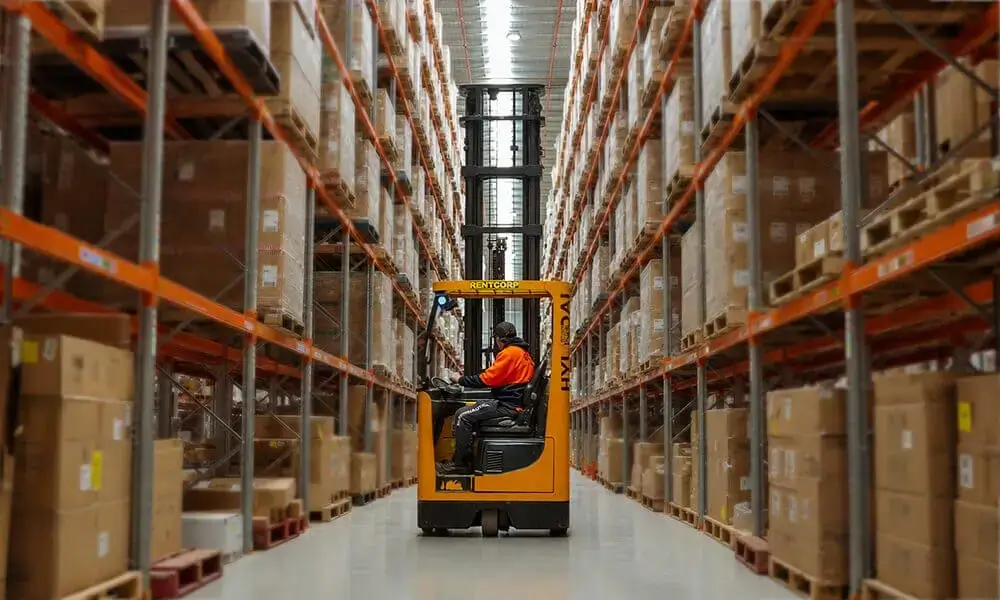
Managing inventory is one of the most expensive operational challenges facing Australian small and medium enterprises. Lease commitments, staffing costs, equipment and insurance add up quickly. For many growing businesses, the maths simply doesn’t work.
Third-party logistics (3PL) warehousing offers an alternative. Rather than investing capital in dedicated facilities, SMEs can access professional storage, fulfilment and distribution services through specialist providers. The model converts fixed overheads into variable costs that scale with actual business activity.
B dynamic Logistics works with Australian SMEs navigating these decisions daily. This guide explains how to evaluate warehousing options, understand pricing structures, and identify solutions matched to your operational requirements.
Why Australian SMEs Are Outsourcing Warehousing Operations
The True Cost of In-House Warehousing
Running your own warehouse involves more than rent and shelving. A 2023 Supply Chain Australia report found that SMEs operating in-house facilities spent an average of $180,000 to $320,000 annually on combined warehouse costs—before accounting for opportunity costs and management time.
These expenses include:
- Commercial lease commitments (typically 3-5 year terms)
- Warehouse staff wages, superannuation and training
- Forklift equipment, racking and safety infrastructure
- Insurance, utilities and compliance requirements
- Warehouse management software and technology
For businesses with fluctuating inventory levels, much of this capacity sits underutilised during slower periods.
How 3PL Services Convert Fixed Costs to Variable Expenses
Outsourced warehousing operates on a pay-per-use model. You’re charged for the space you actually occupy, the orders you actually fulfil, and the freight you actually ship. During quiet months, costs decrease proportionally. During peak seasons, capacity scales without capital investment.
This structure aligns with SME cash flow realities. Rather than committing to fixed overheads regardless of revenue, warehousing costs track alongside business performance.
When Outsourcing Makes Strategic Sense
Several triggers indicate readiness for 3PL partnership:
- Monthly order volumes exceeding in-house fulfilment capacity
- Lease renewal decisions prompting cost-benefit analysis
- E-commerce expansion requiring faster, more distributed fulfilment
- Seasonal demand creating staffing and space challenges
B dynamic Logistics regularly supports businesses through these transition phases, particularly when growth has outpaced existing infrastructure but doesn’t yet justify dedicated facilities.
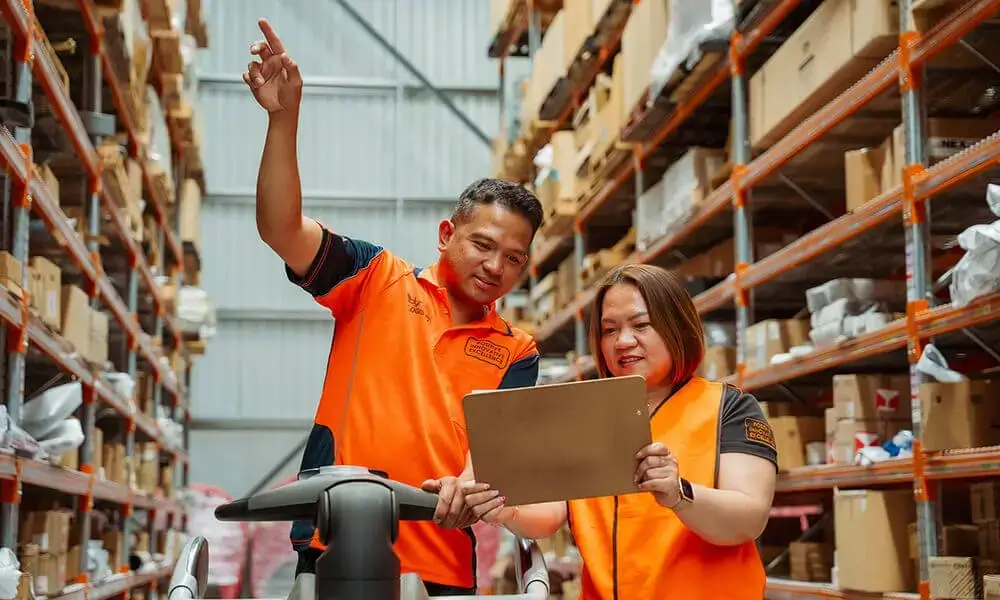
Essential Features of SME-Focused Warehousing Solutions
Flexible Storage Capacities Without Minimum Commitments
Enterprise-focused 3PL providers often impose minimum pallet requirements or monthly spend thresholds that exclude smaller operations. SME-friendly alternatives offer flexible arrangements—shared warehousing space, smaller minimum commitments, and month-to-month terms where appropriate.
This flexibility reduces financial risk during uncertain trading periods and allows businesses to test 3PL partnerships before deeper commitment.
Integrated Inventory Management and Reporting
Real-time stock visibility is non-negotiable for modern inventory management. Quality 3PL providers offer warehouse management systems (WMS) with client portal access, enabling you to monitor stock levels, track order status, and generate reports without phone calls or email requests.
Integration capabilities matter too. If you’re selling through Shopify, WooCommerce or marketplace platforms, your warehousing partner should connect directly to these systems for automated order processing.
Pick, Pack and Fulfilment Services
For e-commerce businesses, warehousing extends beyond storage. Pick, pack and dispatch services handle the entire order fulfilment process—from receiving inventory through to customer delivery.
Key metrics to evaluate include:
- Order accuracy rates (industry standard exceeds 99.5%)
- Same-day dispatch cut-off times
- Returns processing capabilities
- Custom packaging and branding options
Understanding 3PL Pricing Models for Small Business Warehousing
Storage Fees Explained
3PL storage pricing typically follows one of three models:
Per-pallet rates: Charged weekly or monthly based on pallet positions occupied. Suits businesses with palletised inventory and predictable volumes. Current Australian market rates range from $8 to $18 per pallet per week, depending on location and facility quality.
Per-cubic-metre rates: Calculated on actual space consumed. Better suited to irregular inventory profiles or smaller quantities that don’t fill standard pallets.
Shared storage: Multiple clients share warehouse zones, with costs allocated proportionally. Offers cost advantages for smaller operations but with less dedicated space control.
Handling and Fulfilment Charges
Beyond storage, providers typically apply separate charges across key operational activities, including:
- Receiving: Unloading and checking inbound shipments to ensure accuracy from the point of entry
- Put-away: Moving inventory into designated storage locations within the warehouse
- Picking: Retrieving items from storage to fulfil customer orders, based on order requirements
- Packing: Preparing orders for dispatch, including packaging and presentation standards
- Dispatch: Processing outbound shipments and coordinating with delivery carriers
Understanding how these services are structured is essential when evaluating fulfilment partners.
Request itemised quotes from potential providers and compare like for like against your actual order profile rather than headline rates alone.
Hidden Costs to Identify Before Signing
Common additional charges that surprise SME clients include:
- Monthly account management or minimum billing fees
- Technology access or integration charges
- Inventory count or cycle check fees
- Long-term storage surcharges
- Contract exit or early termination penalties
B dynamic Logistics approaches pricing with transparency providing detailed quotes that account for your specific operational requirements without unexpected additions.
Geographic Coverage: Warehousing Options Across Australian States
Strategic Warehouse Locations for National Distribution
Warehouse location directly impacts freight costs and delivery timeframes. For businesses serving national customer bases, proximity to population centres matters significantly.
Sydney and Melbourne handle the majority of Australian 3PL volume, offering competitive carrier rates and next-day delivery coverage to eastern seaboard customers. Perth and Brisbane facilities extend reach to Western Australia and Queensland respectively.
Consider where your customers are concentrated. A single strategically positioned warehouse may serve most orders efficiently, while distributed inventory across multiple locations suits businesses with genuinely national demand patterns.
Regional SME Access to Quality Infrastructure
Businesses based outside major metropolitan areas often face limited local 3PL options. However, modern freight networks mean regional SMEs can still access quality warehousing infrastructure in capital cities without prohibitive cost penalties.
Evaluate total landed cost warehousing plus freight rather than selecting providers based solely on geographic proximity to your own location.
How to Evaluate and Select the Right 3PL Partner
Key Questions to Ask Potential Providers
Before committing to any warehousing partnership, clarify:
- What are your minimum volume requirements or monthly spend thresholds?
- How do you handle seasonal volume fluctuations?
- What technology systems do you use, and how do clients access reporting?
- Can you provide references from SME clients in similar industries?
- What are your standard contract terms and notice periods?
- How do you manage damaged goods and customer returns?
Red Flags That Signal Poor Provider Fit
Warning signs during the evaluation process include:
- Reluctance to provide detailed, itemised pricing
- Rigid contract terms with lengthy lock-in periods
- Limited technology or manual reporting processes
- No demonstrable experience with SME-scale operations
- Poor communication responsiveness during the sales process
B dynamic Logistics builds its service model around SME requirements specifically—recognising that smaller businesses need flexibility, transparency and responsive support rather than enterprise-scale bureaucracy.
Transitioning to a New 3PL Partner
Switching warehousing providers involves careful planning. Expect a 4-8 week transition period covering:
- Inventory transfer and reconciliation
- System integration and testing
- Process documentation and staff training
- Parallel running before full cutover
Discuss transition support during provider evaluation. Experienced 3PLs manage these changeovers regularly and should provide clear project plans.
Frequently Asked Questions
What is the minimum inventory volume required for 3PL warehousing services?
Requirements vary significantly between providers. SME-focused 3PLs may accept clients with as few as 20-50 pallets, while enterprise providers often require 200+ pallets minimum.
How much does SME warehousing typically cost per month in Australia?
There is no one-size-fits-all cost for SME warehousing. Pricing varies based on inventory levels, order volumes, and the level of fulfilment support required. Businesses should focus on transparency, scalability, and value when evaluating providers, rather than relying on broad estimates.
Can small businesses access the same fulfilment technology as larger retailers?
Yes. Modern 3PL providers offer cloud-based WMS platforms with real-time inventory visibility, order tracking and e-commerce integrations regardless of client size.
What contract lengths are standard for small business warehousing agreements?
Terms range from month-to-month arrangements through to 12-month agreements. Longer commitments may attract preferential pricing but reduce flexibility.
How quickly can a 3PL provider ship orders after receiving them?
Most providers offer same-day dispatch for orders received before afternoon cut-off times (typically 12pm-2pm). Next-day dispatch is standard for later orders.
Is 3PL warehousing suitable for businesses with seasonal demand fluctuations?
Particularly so. The variable cost model means you pay for capacity used during peak periods without carrying fixed overheads during slower months.
What happens to my inventory if I decide to change providers?
Your inventory remains your property. Standard agreements include provisions for orderly transfer to alternative arrangements with reasonable notice periods.
How do 3PL providers handle damaged or returned goods?
Returns processing varies by provider. Discuss specific requirements including inspection protocols, restocking procedures and disposal authorisation for unsalvageable goods.
Partnering for Sustainable Growth
Affordable, scalable warehousing is accessible to Australian SMEs through strategic 3PL partnerships. The key lies in selecting providers genuinely structured around smaller business requirements flexible terms, transparent pricing, appropriate technology and responsive service.
Evaluate potential partners against your specific operational profile rather than headline promises. Request detailed quotes, speak with existing clients, and understand exactly what you’re committing to before signing.
B dynamic Logistics specialises in warehousing solutions for Australian SMEs. With a model built around flexibility, operational visibility, and practical technology integration, the company supports businesses at different stages of growth without unnecessary complexity. The focus remains on delivering reliable fulfilment outcomes that align with each client’s operational needs and customer expectations.
Contact our team to discuss your specific requirements and receive a tailored proposal matched to your business needs.
Back to Blog