Running a growing business means confronting an uncomfortable truth: your spare room, garage, or cramped storage unit cannot scale with your ambitions. Yet leasing commercial warehouse space, hiring staff, and investing in inventory systems requires capital most small and medium enterprises simply cannot spare.
Third-party logistics (3PL) warehousing offers a practical middle path. Rather than building infrastructure from scratch, SMEs can access professional-grade storage, fulfilment, and distribution through established providers. The model converts heavy capital expenditure into manageable operational costs, paying only for what you use.
This guide examines how 3PL warehousing works for Australian SMEs, what it genuinely costs, and how to evaluate whether outsourcing makes sense for your operation. Providers like B dynamic Logistics have built service models specifically around the flexibility smaller businesses require, making professional logistics accessible beyond the enterprise market.
What 3PL Warehousing Means for Small and Medium Enterprises
Third-party logistics warehousing involves outsourcing storage, inventory management, and order fulfilment to a specialist provider. Rather than managing these functions internally, businesses hand responsibility to partners with dedicated facilities, trained staff, and established systems.
Core Services Included in 3PL Warehousing Arrangements
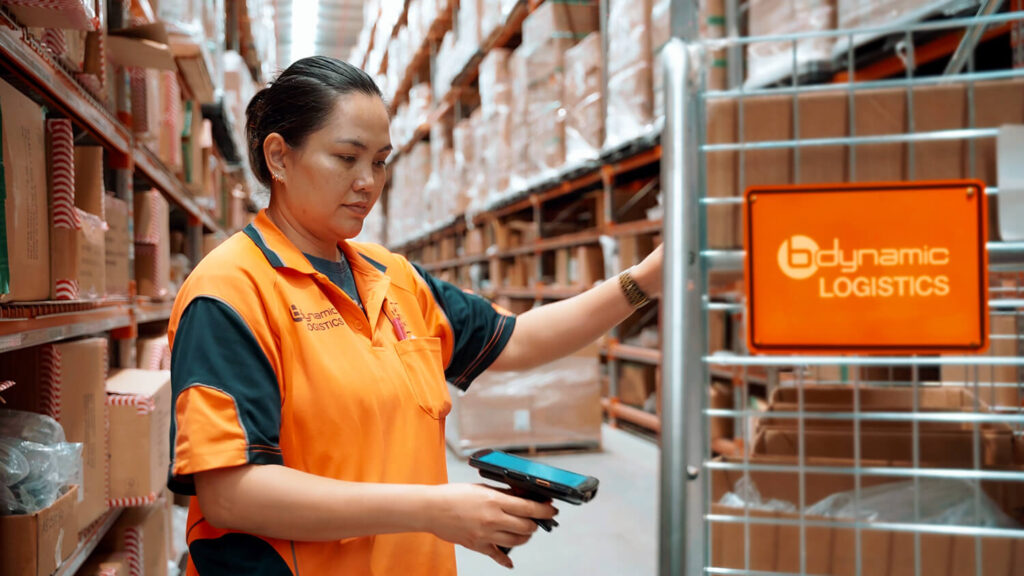
Most 3PL agreements cover a standard bundle of services. Your stock arrives at the provider’s warehouse, where it is received, checked, and logged into their warehouse management system (WMS). When orders come through whether from your ecommerce platform, wholesale customers, or retail partners, the provider picks, packs, and dispatches items on your behalf.
Beyond basic storage and fulfilment, many providers offer value-added services. These might include kitting (combining multiple products into bundles), quality inspections, returns processing, and even light assembly work. Technology integration allows real-time inventory visibility, so you always know what stock is available and where orders stand in the fulfilment pipeline.
As an Australian-owned 3PL provider, B dynamic Logistics works with a broad range of growing businesses seeking professional warehousing, fulfilment, and distribution support. Our approach focuses on understanding each operation’s requirements before proposing solutions, recognising that logistics needs vary significantly depending on product type, volume, and operational complexity.
How SME Requirements Differ from Enterprise Logistics Needs
Large corporations negotiate warehousing contracts based on predictable, high-volume throughput. They can commit to thousands of pallets and guarantee consistent order volumes year-round.
SMEs operate differently. Order volumes fluctuate with seasons, marketing campaigns, and market conditions. Cash flow constraints make large upfront commitments risky. Many smaller businesses also lack dedicated logistics managers, meaning they need providers willing to offer hands-on guidance rather than self-service portals designed for sophisticated operations teams.
The right 3PL partner understands these realities. They offer lower minimum commitments, flexible contract terms, and accessible support when questions arise.
The Australian 3PL Market Landscape
Australia’s 3PL sector has matured significantly over the past decade. The ecommerce boom accelerated demand for outsourced fulfilment, while supply chain disruptions highlighted the value of professional logistics expertise.
Today, SMEs can choose between large national operators, specialist industry providers (such as those focused on food, pharmaceuticals, or hazardous goods), and regional operators offering personalised service. Geographic considerations matter, warehouses in Sydney or Melbourne provide access to major population centres, while regional facilities may suit businesses serving specific markets or seeking cost advantages.
Breaking Down the True Cost of 3PL Warehousing Services
Understanding 3PL pricing requires looking beyond headline rates. Costs typically fall into several categories, and transparency during evaluation prevents unwelcome surprises later.
Standard Pricing Models and Fee Structures
Most providers charge based on three core elements: storage, handling, and fulfilment.
Storage fees are usually calculated per pallet position per week or month. Rates vary depending on location, facility quality, and whether goods require special conditions (such as temperature control). Expect to pay between $15 and $40 per pallet per month in metropolitan areas, with regional facilities sometimes offering lower rates.
Handling fees cover receiving inbound stock, putting it away, and preparing outbound shipments. These might be charged per carton received or per order dispatched.
Pick and pack fees apply to each item selected from storage and packed for shipping. Complex orders with multiple SKUs cost more than single-item shipments.
Some providers offer bundled pricing for SMEs, combining these elements into simplified per-order rates that make budgeting more predictable.
Hidden Costs to Clarify Before Signing Agreements
Beyond standard fees, several potential charges warrant discussion upfront.
Onboarding and integration costs cover setting up your account, configuring system connections with your sales platforms, and initial stock receiving. Some providers absorb these costs; others charge separately.
Minimum monthly commitments guarantee the provider a baseline revenue regardless of your actual activity. If your volumes drop below this threshold, you still pay the minimum.
Special handling charges apply to oversized items, fragile goods, or products requiring specific packaging. Kitting, labelling, and returns processing typically incur additional fees.
Contract exit terms matter if circumstances change. Understand what happens to your stock if you need to transition to another provider, and what notice periods or penalties apply.
Comparing In-House Warehousing Versus Outsourced Solutions
The decision between managing logistics internally and outsourcing involves more than comparing direct costs.
In-house warehousing requires leasing space, purchasing racking and equipment, hiring and training staff, implementing inventory systems, and maintaining insurance and compliance obligations. These represent significant capital outlays and ongoing fixed costs regardless of business activity.
Outsourcing converts these fixed costs into variable expenses tied to actual usage. When orders increase, you pay more; during slow periods, costs decrease proportionally. This flexibility proves particularly valuable for businesses experiencing growth or seasonal fluctuations.
There is also the question of management attention. Hours spent coordinating warehouse operations are hours not spent on product development, marketing, or customer relationships. For many SME owners, the opportunity cost of internal logistics management exceeds the financial cost of outsourcing.
Key Benefits of Partnering with a 3PL Provider
Beyond cost considerations, outsourcing warehousing delivers strategic advantages that support business growth.
Scalability Without Infrastructure Investment
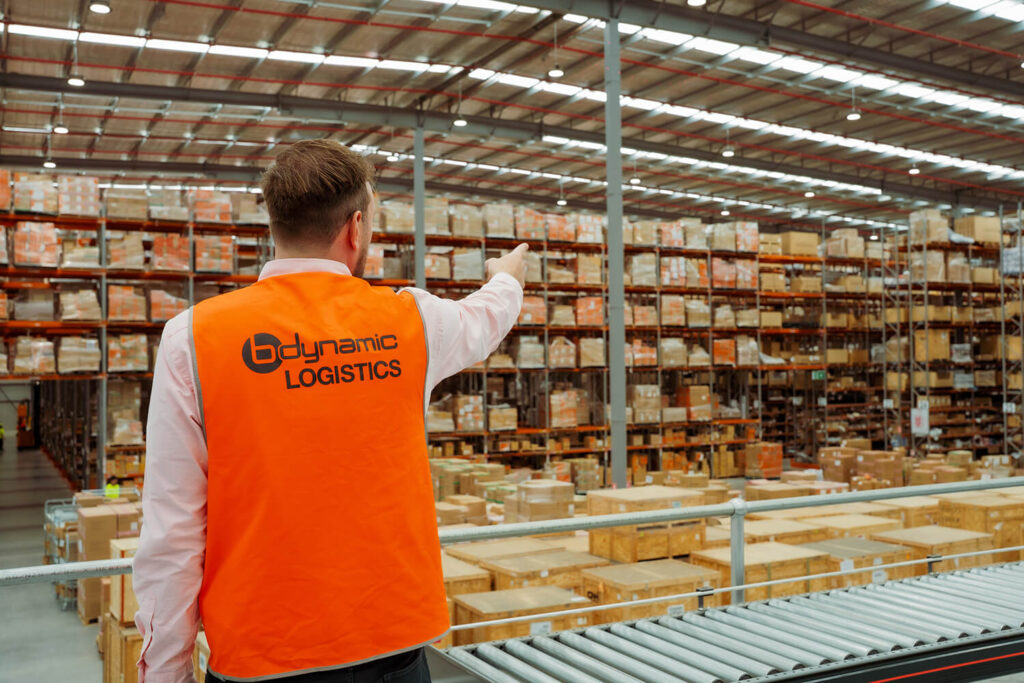
Perhaps the most significant benefit for SMEs is the ability to scale operations without proportional capital investment. Launching a major promotional campaign? Your 3PL provider can accommodate the spike in orders. Expanding into new geographic markets? Leverage their distribution network rather than establishing your own presence.
This scalability also works in reverse. If a product line underperforms or market conditions tighten, you are not locked into expensive infrastructure commitments.
Access to Professional Technology and Expertise
Established 3PL providers operate sophisticated warehouse management systems that would be prohibitively expensive for individual SMEs to implement. These platforms provide real-time inventory tracking, automated reorder alerts, and detailed reporting on fulfilment performance.
Integration capabilities connect these systems with popular ecommerce platforms, accounting software, and shipping carriers. Orders flow automatically from your sales channels to the warehouse floor without manual intervention.
You also gain access to experienced logistics professionals who manage operations daily. Their expertise in efficient picking routes, packaging optimisation, and carrier selection improves fulfilment speed and accuracy.
Risk Mitigation and Business Continuity
Concentrating all logistics operations in a single location under your direct control creates vulnerability. Equipment failures, staff shortages, or facility issues can halt order fulfilment entirely.
Working with a 3PL provider distributes this risk. Professional operators maintain backup systems, cross-trained staff, and established contingency procedures. They carry comprehensive insurance covering goods in their care. Compliance with workplace safety regulations and industry standards becomes their responsibility rather than yours.
Choosing the Right 3PL Partner for Your Business
Not all providers suit all businesses. Finding the right fit requires careful evaluation beyond comparing price lists.
Essential Questions to Ask Potential Providers
Start by understanding their experience with businesses similar to yours. Ask for references from SME clients in comparable industries. Enquire about minimum volume requirements and whether they offer genuinely flexible arrangements for growing businesses.
Technology capabilities matter significantly. How will you access inventory data? What platforms do they integrate with? How quickly can they implement connections with your existing systems?
Communication expectations deserve attention too. Who will be your primary contact? How are issues escalated and resolved? What reporting will you receive, and how frequently?
Red Flags and Warning Signs to Avoid
Be cautious of providers unwilling to discuss pricing in detail or who present vague proposals. Lack of transparency around fees often indicates unpleasant surprises ahead.
Lengthy lock-in periods with punitive exit clauses should raise concerns, particularly for SMEs whose circumstances may change. Similarly, providers slow to respond during the evaluation process rarely improve once you have signed a contract.
How B dynamic Logistics Supports SME Growth
B dynamic Logistics has structured its 3PL services specifically around the needs of Australian small and medium enterprises. Their approach emphasises flexibility, accommodating lower volumes, offering scalable arrangements, and providing the hands-on support smaller businesses require.
With local expertise and professional infrastructure, they bridge the gap between DIY logistics and enterprise-level operations. This makes professional warehousing and fulfilment accessible to businesses that might otherwise struggle to compete on delivery speed and reliability.
Getting Started with Outsourced Warehousing
Transitioning to a 3PL provider requires preparation, but the process need not be overwhelming.
Preparing Your Business for 3PL Transition
Begin by documenting your current processes and requirements. Gather data on your SKU count, average order volumes, seasonal patterns, and any special handling needs. Identify which sales channels and systems will need integration.
This information helps potential providers assess your requirements accurately and propose appropriate solutions.
What to Expect During Onboarding
Typical onboarding timelines range from two to six weeks, depending on complexity. The process involves system configuration, stock transfer coordination, and testing to ensure orders flow correctly before going live.
Expect some adjustment during the initial period. Communication with your provider helps resolve teething issues quickly and establishes productive working patterns for the long term.
Frequently Asked Questions
What is the minimum order volume required for 3PL warehousing services?
Minimums vary between providers. Some require hundreds of orders monthly; others, like B dynamic Logistics, offer flexible arrangements suited to smaller operations. Always clarify minimum commitments before signing.
How much does 3PL warehousing cost per month for a small business in Australia?
Pricing is influenced by storage volume, the nature of the products being stored, order volumes, handling requirements, and the level of valueadded services needed. Costs may also change depending on how frequently orders are picked and packed, delivery speed expectations, and any customisation such as kitting, labelling, or returns management. Because every business has different operational needs and growth patterns, 3PL providers typically tailor pricing to reflect the complexity and scale of each operation rather than offering onesizefitsall packages.
Can I use 3PL services for both B2B wholesale and direct-to-consumer orders?
Yes. Most providers handle both channels, though fulfilment requirements differ. B2B orders often involve palletised shipments, while D2C requires individual pick and pack. Discuss your channel mix during evaluation.
How long does it take to transition from in-house to outsourced warehousing?
Plan for four to eight weeks from agreement to full operation. Complex integrations or large inventory transfers may require longer timelines.
How do I maintain visibility over my stock levels with an external warehouse?
Providers grant access to their warehouse management systems, typically through web portals or dashboard integrations. You can monitor inventory levels, order status, and fulfilment performance in real time.
Taking the Next Step Toward Smarter Logistics
For Australian SMEs, 3PL warehousing represents more than operational convenience, it offers a genuine competitive advantage. Professional fulfilment, scalable capacity, and expert management become accessible without the capital burden of building internal infrastructure.
The key lies in finding a partner whose service model aligns with your business realities. Evaluate providers carefully, ask detailed questions, and prioritise transparency over lowest-price promises.
Ready to explore whether outsourced warehousing suits your operation? Contact B dynamic Logistics to discuss your specific requirements and discover how flexible 3PL solutions can support your growth ambitions.
Back to Blog